Food Trucks Permit and Licenses in Atlanta
The Guide to Food Truck Licenses and Permits in Atlanta
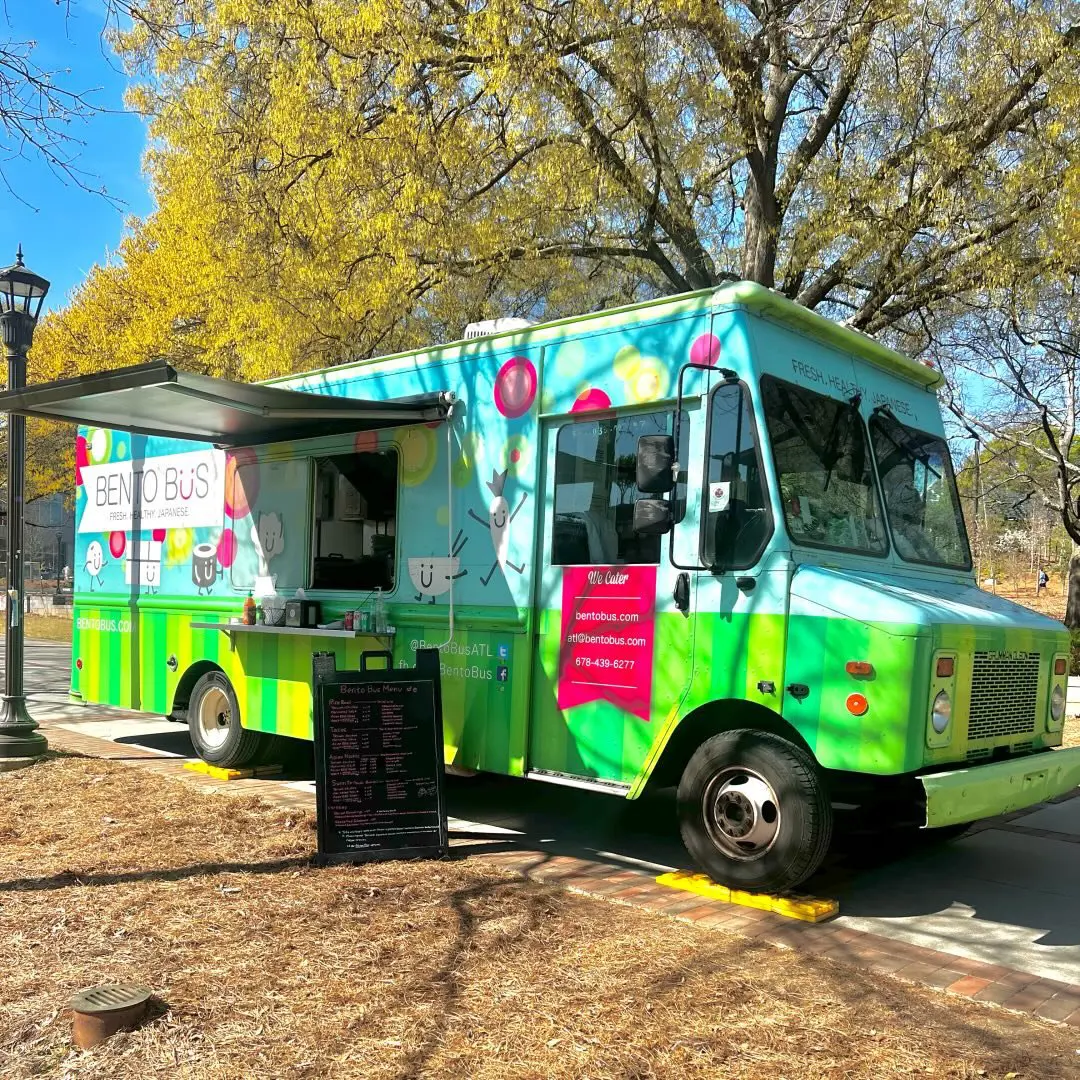
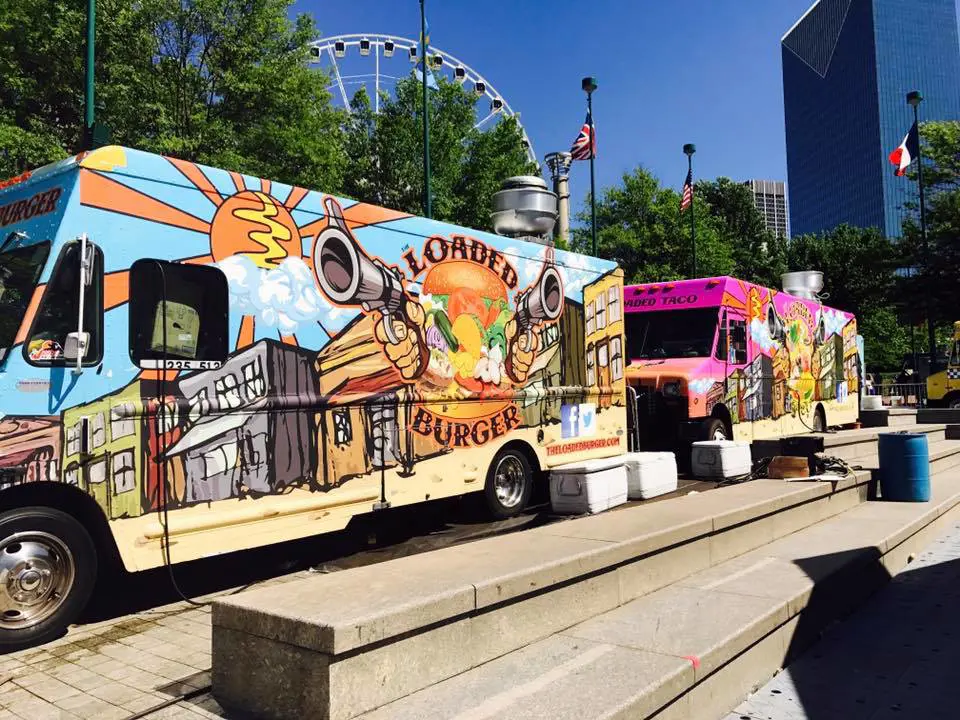
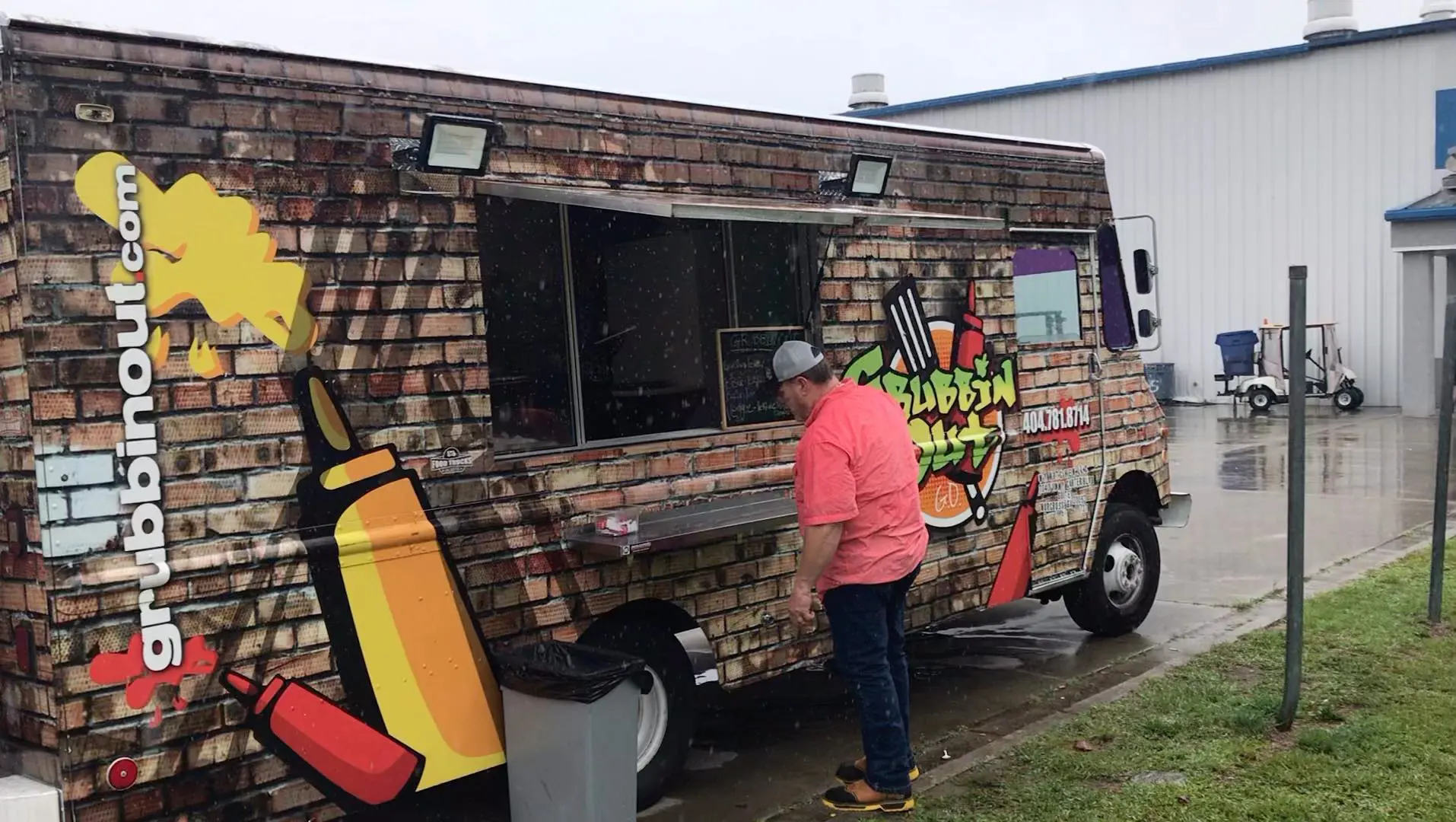
In Atlanta, food trucks are considered restaurants on wheels. Operating afood truck in Atlanta offers flexibility and entrepreneurship, but requires securing key permits and licenses before starting. Food trucks, officially called "mobile food service operations," fall into two categories: those serving pre-packaged foods (with fewer regulations) and those offering unpackaged or prepared foods (with stricter health and safety requirements). All food trucks, regardless of location, need a health department permit and must pass inspections, which is evidenced by visible permits and inspection stickers. Most Atlanta food trucks serve freshly prepared meals, so meeting these full-service requirements is crucial for legal and safe operation.
What Makes a Food Truck Official?
In Atlanta, the technical term for a food truck is often a "mobile food service operation." However, the City of Atlanta's Vending Program may not explicitly use this term as a formal definition in every sentence. This term covers any vehicle that's used to sell food and beverages. It's important to know that these operations generally fall into two categories. Pre-packaged foods include ice cream bars, chips, soda, and candy, and they don't have many regulations to follow. Meanwhile, unpackaged foods include perishable items, such as the fresh, hot meals you get from most food trucks; there are a lot more regulations and permits involved to keep everything safe and tasty. These types of operations are subject to more extensive regulations and permitting requirements.
Regarding the distinction between pre-packaged and unpackaged foods and the general oversight, it primarily stems from the regulations set by the Fulton County Board of Health and the City of Atlanta's vending programs. They categorize and regulate "Food Trucks" and "Ice Cream Trucks" (which often sell pre-packaged items) differently, reflecting the varying levels of regulation based on food type and preparation. It is also confirmed that a "Department of Health Mobile Food Permit" (issued by the county health department) is required, regardless of the vending location type, reinforcing the health department's central role in making a food truck "official." The requirement for health permits implies the "inspection stickers" or proof of compliance.
Since most traditional food trucks serve up fresh, unpackaged meals, this Food Truck Licenses and Permits Guide will focus on the more in-depth requirements for a full-service operation.
Beyond just getting set up, food truck operators in Atlanta also need to pass inspections and comply with the city's health and food-handling rules. These regulations are in place to protect everyone's health and safety. You can often spot proof of compliance by looking for permits and inspection stickers on trucks around the city.

Key Permits and Licenses for Your Atlanta Food Truck
To ensure everyone enjoys safe and delicious mobile meals in Atlanta, the city has a few requirements you'll need to meet. To start your food truck in Atlanta, you'll generally need to apply for and be approved for the following:
Business License (Vendor's License): This is your foundational permit that recognizes your food truck as a legitimate business. It's also crucial for tax purposes and will help you get an Employer Identification Number (EIN). You can typically apply for this through the City of Atlanta's Office of Revenue.
Mobile Food Service Permit (Health Permit): If you plan to sell food in Atlanta, you must pass an inspection from the Fulton County Board of Health (or the relevant county health department where you'll operate) before you start serving. New trucks might also need to go through a plan review process. Besides food safety and equipment checks, your operation must also follow local land use rules – meaning you can't block sidewalks or infringe on zoning laws.
Driver's License: Since your food truck is a vehicle, you'll need a valid driver's license to drive it. In Atlanta, a standard driver's license is usually sufficient to operate a mobile food truck; a special commercial driver's license is typically not required for most food truck sizes. You can find more information about obtaining a license from the Georgia Department of Driver Services (DDS).
Food Safety Certificates: Special training is required for those who handle and sell unpackaged foods. This typically involves getting a Food Manager Certificate (often a Certified Food Protection Manager, or CFPM) for at least one person overseeing operations, and Food Handler Certificates for other employees; knowing which employees need which certification is crucial for compliance.
Requirements for Obtaining Your Atlanta Food Truck Permits
Once you know which permits and licenses you need, here's a general idea of what you'll need to provide to obtain them:
You must be at least 18 years old.
* A valid picture ID.
* Vehicle registration from the Georgia Department of Driver Services (DDS), if applicable.
* A commissary agreement or contract. This is a licensed commercial kitchen where you'll prepare, store, and clean your food truck.
* A completed Mobile Food Service Permit application from the Fulton County Board of Health.
If you're setting up as an LLC or a corporation, you'll need to provide your Articles of Organization or Articles of Incorporation.
What About the Costs?
The cost of permits and licenses is an essential factor to consider when planning your Atlanta food truck venture. While fees can vary, here's a general idea of the standard mobile food facility permit and license costs for a new food truck in Atlanta, Georgia (keep in mind some permits may also have application fees). This assumes you are a new operation requiring all initial fees and that you operate a mobile food unit that sells prepared food.
Initial Fees (One-time):
Public Vending Permit (City of Atlanta) - One-Time Fees:
Application Fee: $75
Background Check: $50
Fingerprinting: $20
Subtotal: $145
Mobile Food Unit Permit (Fulton County Board of Health) - One-Time Fee:
Plan Review: $300
Subtotal: $300
Total Initial Fees: $145 + $300 = $445
Annual Fees:
Public Vending Permit (City of Atlanta) - Annual Fee:
Electronic Reservation Fee: $350
Mobile Food Unit Permit (Fulton County Board of Health) - Annual Fee:
Annual Fee (lowest estimate): $450
Annual Fee (highest estimate): $750
Business License (City of Atlanta) - Annual Fee:
Estimated Cost (lowest estimate): $50
Estimated Cost (highest estimate): $100+
Additionally, a standard driver's license renewal in Georgia costs about $32 for an eight-year license, with a $5 discount for renewing online or through the mobile app. You might also incur additional monthly or annual fees if a property owner requires a parking permit for your operating location.
Estimated Total Cost for the First Year: To get low- and high-end estimates, we'll combine the one-time fees with the lowest and highest annual fee estimates.
Low-End Estimate (First Year): $445 (Initial Fees) + $350 (Reservation) + $450 (Health Permit) + $50 (Business License) = $1,295
High-End Estimate (First Year): $445 (Initial Fees) + $350 (Reservation) + $750 (Health Permit) + $100 (Business License) = $1,645
Estimated Total Cost for Subsequent Years (Annual Renewal): For years after the first, you would only pay the annual fees.
Low-End Estimate (Annual): $350 (Reservation) + $450 (Health Permit) + $50 (Business License) = $850
High-End Estimate (Annual): $350 (Reservation) + $750 (Health Permit) + $100 (Business License) = $1,200
It’s essential to note that these totals do not include other significant costs, such as commissary fees, food safety certificates, fire inspections, or vehicle registration, and the exact fees are subject to change. It's crucial to confirm all costs directly with the City of Atlanta's Office of Revenue and the Fulton County Board of Health.
Where to Find More Information
The City of Atlanta and Fulton County offer a wealth of resources to help you on your food truck journey. Be sure to explore the websites for the Fulton County Board of Health, the Georgia Department of Driver Services (DDS), and the City of Atlanta's Office of Revenue for more detailed information. It's also a good idea to check with the Atlanta Fire Rescue Department to ensure your fire suppression system is up to code and that you have all the necessary documentation.
Once you've got the logistics sorted, it's time to start serving up your delicious eats in Atlanta and partner with the Atlanta Food Truck Association (ATLFTA). ATLFTA offers the best way to connect with customers and become part of a thriving community of local food truck and catering business owners.