Asian Fusion Food Trucks in Atlanta
asian food trucks in atlanta, georgia
The food truck scene in Atlanta is renowned for its diversity, inventiveness, and robust regional culinary culture. Asian food trucks in Atlanta stand out among the many cuisines offered by mobile kitchens because of their robust flavors, varied menus, and capacity to deliver everything from contemporary Asian fusion to traditional street food straight to events, workplaces, festivals, and private get-togethers.
Atlanta's mobile food scene offers a variety of ways to experience Asian cuisine on wheels, including Thai noodles, Vietnamese favorites, Filipino comfort food, Chinese street food, Korean barbecue, Japanese-inspired dishes, and Asian fusion creations.
The Atlanta Food Truck Association can help you find local mobile food vendors, whether you're looking for an Asian food truck near me in Atlanta, planning a wedding, setting up a corporate lunch, throwing a birthday party, or need catering for a big event.
Why Asian Food Trucks Are Popular in Atlanta
Asian food is one of the most adaptable options for mobile catering since it includes a variety of culinary traditions. Visitors can savor well-known favorites or try dishes influenced by Asian regional cuisines.
The popularity of Asian food trucks in Atlanta comes from several factors:
Wide variety of flavors and cuisines, including Korean, Japanese, Thai, Vietnamese, Filipino, Chinese, and Asian fusion dishes.
Flexible menus that can include rice bowls, noodles, dumplings, bao, barbecue, appetizers, sides, desserts, and customizable toppings.
Freshly prepared meals cooked on-site, allowing guests to enjoy hot food with vibrant flavors and high-quality ingredients.
Strong appeal for adventurous diners who want to try new dishes, regional specialties, creative combinations, and modern interpretations of Asian street food.
Options for different dietary preferences, including vegetarian, vegan, gluten-free, dairy-free, and plant-based selections, depending on the vendor.
Excellent fit for casual and formal events, from festivals, breweries, and birthday parties to weddings, corporate gatherings, and private celebrations.
Easy pairing with other food truck cuisines, allowing event planners to create a varied menu with options such as barbecue, burgers, tacos, pizza, desserts, coffee, and more.

What Makes an Asian Food Truck?
- Rice bowls - a versatile Asian food truck favorite that can be customized with chicken, beef, pork, tofu, vegetables, rice, and flavorful sauces.
- Noodles - may include dishes such as pad Thai, ramen, lo mein, japchae, pad see ew, or drunken noodles, offering a filling and flavorful meal option.
- Dumplings - served steamed, pan fried, or deep fried and may be filled with pork, chicken, shrimp, vegetables, or tofu.
- Bao - soft, steamed buns filled with ingredients such as pork belly, fried chicken, barbecue beef, tofu, or vegetables.
- Spring rolls - light, crispy, or fresh appetizers commonly filled with vegetables, herbs, shrimp, chicken, or tofu and served with dipping sauces.
- Sushi - dishes may include sushi bowls, poke style bowls, sushi burritos, deconstructed rolls, or seafood and vegetable combinations.
- Korean barbecue - grilled or marinated meats such as bulgogi, Korean barbecue chicken, short ribs, or spicy pork served with rice and flavorful toppings.
- Teriyaki - typically include grilled or glazed chicken, beef, shrimp, tofu, or vegetables served with rice, noodles, or steamed vegetables.
- Thai curries - ombine aromatic herbs, spices, coconut milk, vegetables, and proteins such as chicken, shrimp, beef, tofu, or vegetables.
- Vietnamese sandwiches - commonly known as banh mi, feature crisp bread filled with grilled meats, pâté, pickled vegetables, fresh herbs, tofu, or other flavorful fillings.
- Filipino specialties - include adobo, lumpia, pancit, Filipino barbecue, sisig, garlic rice, or other comforting dishes inspired by the Philippines.
- Asian inspired tacos - traditional taco formats with flavors such as Korean barbecue, teriyaki chicken, Thai curry, Vietnamese grilled meats, kimchi, or Asian slaw.
- Fried rice - a popular comfort food made with seasoned rice, vegetables, eggs, chicken, shrimp, pork, beef, tofu, or other proteins.
- Stir fry dishes - quickly cooked vegetables, noodles, rice, and proteins combined with savory sauces and Asian inspired seasonings.
- Ramen - flavorful broth, noodles, vegetables, proteins, eggs, and toppings such as scallions, mushrooms, seaweed, or chili oil.
- Asian desserts - include mochi, mango sticky rice, ube treats, sesame balls, fried bananas, matcha desserts, coconut sweets, or other specialty offerings.

Popular Asian Food Truck Concepts in Atlanta
Korean Food Trucks
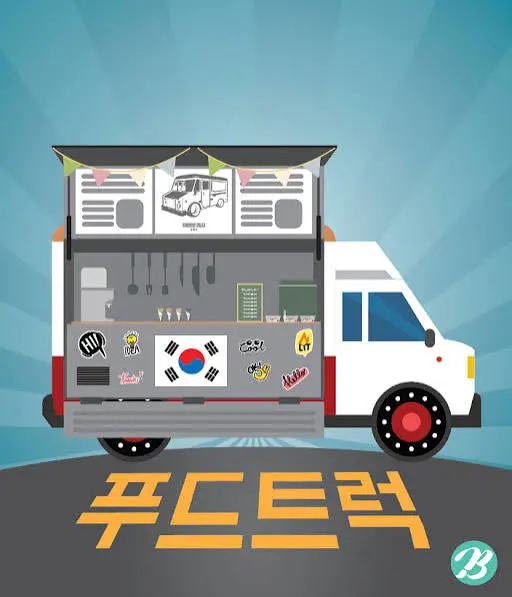
Korean cuisine has become a popular choice for Atlanta food truck customers.
Common menu items include:
Korean barbecue
Bulgogi
Korean fried chicken
Bibimbap
Kimchi
Korean rice bowls
Korean street toast
Japchae
Korean flavors often combine savory, spicy, sweet, and smoky elements.
Korean food trucks are particularly popular for corporate lunches, festivals, breweries, and private celebrations.
Japanese Food Trucks
Japanese inspired food trucks offer everything from traditional street food to contemporary interpretations.
Popular choices include:
Teriyaki bowls
Japanese curry
Ramen
Gyoza
Takoyaki
Sushi inspired bowls
Yakitori
Japanese fried chicken
Japanese cuisine works well for both casual events and more polished corporate gatherings.
Thai Food Trucks
Thai food trucks bring aromatic herbs, spicy sauces, noodles, and curries to Atlanta events.
Popular dishes include:
Pad Thai
Pad See Ew
Green curry
Red curry
Thai fried rice
Drunken noodles
Satay
Spring rolls
Thai food can be customized for different spice preferences, which makes it practical for large groups.
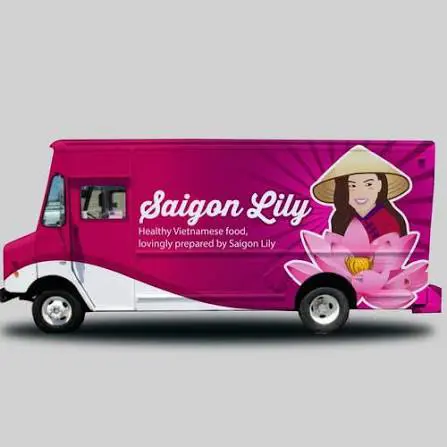
Vietnamese Food Trucks
Vietnamese cuisine is another popular category for Atlanta mobile catering.
Common menu items include:
Banh mi
Pho
Vietnamese rice bowls
Vermicelli bowls
Spring rolls
Vietnamese coffee
Lemongrass chicken
Fresh herbs, vegetables, grilled proteins, and flavorful sauces make Vietnamese food a refreshing option for outdoor events.
Filipino Food Trucks
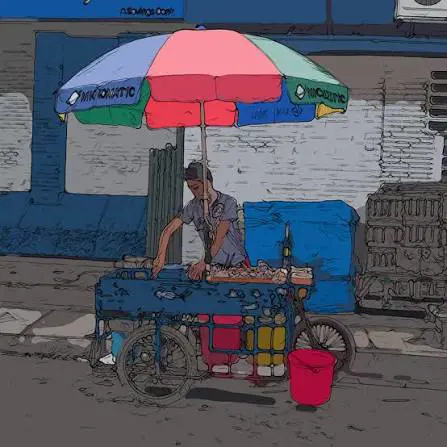
Filipino food trucks bring comforting and flavorful dishes to Atlanta's mobile dining scene.
Popular dishes may include:
Adobo
Lumpia
Filipino barbecue
Pancit
Garlic rice
Sisig
Ube desserts
Filipino cuisine is particularly well suited to gatherings where guests want hearty portions and distinctive flavors.
Chinese Food Trucks
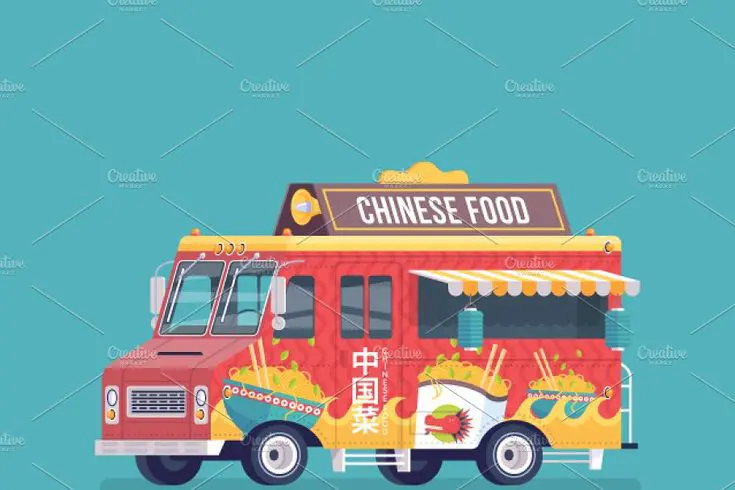
Chinese-inspired food trucks offer a broad range of street food and comfort food favorites.
Menus may include:
Dumplings
Fried rice
Chow mein
Stir fry
Bao
Orange chicken
General Tso's chicken
Spring rolls
Some vendors focus on traditional recipes, while others create modern interpretations designed specifically for mobile service.
Affordable Asian Food Truck Catering in Atlanta
Hosts looking to control costs can simplify the menu without sacrificing quality. A well-planned menu does not need to include numerous entrées, specialty toppings, or complicated service stations to create a memorable experience. In many cases, a focused menu allows the food truck to prepare dishes more efficiently, reduce ingredient waste, and serve guests faster.
One of the simplest ways to control catering expenses is to serve one or two main entrées. For instance, a host might serve chicken teriyaki and vegetable noodles as the main menu items, or Korean barbecue rice bowls with a vegetarian tofu option. This allows the vendor to manage preparation while providing guests with variety.
Another way to cut costs is to use seasonal ingredients. The food truck may find it easier and less expensive to obtain ingredients that are easily accessible. Seasonal produce, herbs, and vegetables can give the menu more color and freshness without the need for pricey specialty items.

How to Book an Asian Food Truck in Atlanta
Step 1: Determine Your Guest Count
A realistic headcount helps the food truck prepare enough ingredients and determine appropriate staffing. Knowing the expected number of guests allows operators to minimize expensive food waste while preventing popular menu items from selling out early.
Furthermore, an accurate estimate ensures they schedule enough cooks and window attendants. This optimizes service speed, drastically reduces line wait times, and guarantees a seamless, enjoyable dining experience for everyone attending your event.

Step 2: Establish Your Budget
Before asking for quotes, decide how much you want to set aside for food. Food trucks and caterers can adjust their menu suggestions to meet your budgetary constraints if you have a clear budget up front. It helps determine what kind of service you can afford, be it a variety of appetizers and desserts, casual street food portions, or full meals.
By swiftly eliminating suppliers who don't fit your budget, having a set amount in mind also helps you avoid sticker shock and save time. Make sure to factor in a small buffer when calculating this figure to cover extra expenses such as taxes, travel fees, minimums, or service charges.

Step 3: Choose Your Cuisine
Before contacting vendors, determine whether you prefer Korean, Japanese, Thai, Vietnamese, Filipino, Chinese, or Asian fusion. You can find the best caterers for your event more quickly by focusing on a particular flavor profile when searching through food truck directories.
Vietnamese offers light, herbaceous options like pho or banh mi; Filipino offers hearty, comforting classics; Chinese offers familiar, crowd-pleasing favorites; Thai offers sweet, spicy, and tangy street food; Japanese trucks may serve comforting ramen or takoyaki; and Korean BBQ offers bold, savory grilled meats.

Step 4: Select the Menu
To determine the portion sizes, variety, and overall balance of the meal, start by asking about their main entrées and complementary sides. Asking specifically if they can offer vegetarian, vegan, and gluten-free options is equally important. All attendees will be able to safely and comfortably enjoy the event without feeling left out if these common dietary restrictions are accommodated.
You should also find out how your guests handle cross-contamination in a small mobile kitchen if they have severe allergies. Lastly, see if they have any special desserts to complete the meal. You can determine whether the truck can offer a full-course experience or whether you need to set aside a portion of your budget for a different vendor for sweets by being aware of this up front.

Step 5: Confirm Venue Logistics
Thoroughly coordinating site logistics with your food truck operator prevents day-of-event disruptions and ensures smooth service. Be sure to discuss the following details:
Truck access and Parking: Food trucks are large, heavy vehicles that require high clearance, wide turning radiuses, and a level, solid surface to operate safely. Verify that the truck can easily navigate into the venue without getting stuck and has a dedicated, legal parking spot.
Setup area: Determine the total footprint needed. Beyond the vehicle itself, the vendor will need surrounding space for the service window awning, condiment tables, menu boards, and trash receptacles.
Power requirements: Clarify how the truck gets its electricity. Ask if they provide their own generator (and whether it is a quiet, inverter model so it doesn't disrupt the event) or if they need to plug into the venue's grid. If plugging in, confirm the exact voltage and amperage required to avoid tripping breakers.
Serving time: Establish a strict timeline. Clearly separate the active serving window from the time they need to arrive for setup and prep, as well as the time required for breakdown and cleanup.
Guest flow: Plan the physical layout of the ordering and pickup process. Designate exactly where the line will form and where guests will wait for their food so it doesn't block entrances, exits, or other event activities, ensuring a continuous, bottleneck-free flow of attendees.

Step 6: Reserve the Vendor
After finalizing the menu, pricing, event date, and logistics, secure your food truck by signing a formal contract. Since popular dates can book up quickly, especially weekends during the spring and summer, it is best to reserve your vendor several months ahead of time.
Most food trucks require a non-refundable deposit of around 25% to 50% of the total cost to reserve your date officially.
Before signing the contract, review it carefully to confirm it includes all important details, such as the menu, serving hours, and event logistics.
Be sure to also understand the cancellation terms and the deadline for providing your final guest count, as this information will determine the remaining balance due before the event.

Why Choose ATLFTA?
The Atlanta Food Truck Association helps connect customers with local food truck vendors for a wide range of events.
Customers can work with ATLFTA to find food trucks for:
Weddings
Corporate events
Festivals
Private parties
School functions
Employee appreciation
Community events
Large gatherings
The association provides a convenient starting point for customers who want to explore Atlanta's mobile food scene.
Final Thoughts
Asian food trucks in Atlanta offer an exciting combination of variety, convenience, creativity, and fresh preparation. From Korean barbecue and Japanese ramen to Thai noodles, Vietnamese banh mi, Filipino specialties, Chinese inspired dishes, dumplings, bao, and modern Asian fusion, there is no shortage of options for Atlanta diners.
For event planners, mobile Asian cuisine can provide a memorable alternative to traditional catering while giving guests an interactive dining experience.
Whether you're planning a wedding, corporate lunch, birthday party, brewery gathering, school celebration, festival, or large community event, ATLFTA Asian food trucks can help bring flavorful mobile dining directly to your venue.
With the right menu, vendor, guest count, and event logistics, an Asian food truck can turn an ordinary gathering into an experience guests remember long after the last plate has been served.